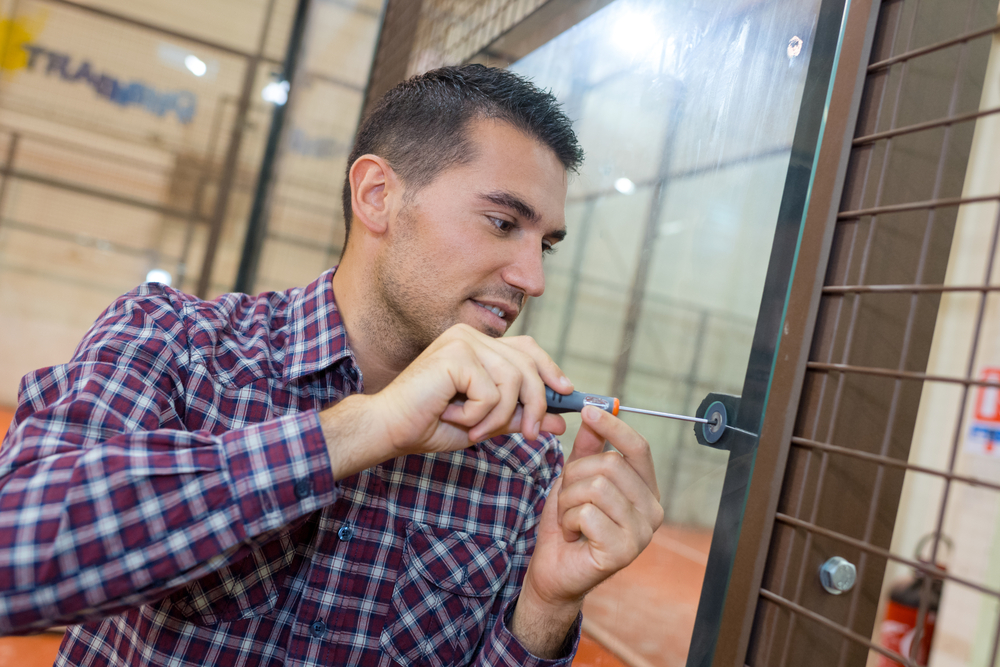
What is Required to Start Your Own Handyman Business?
Skills and Experience Starting a handyman business begins with a solid foundation of skills and experience in various trades such as plumbing, electrical work, carpentry, painting, drywall repair and general home maintenance. A successful handyman is often versatile and knowledgeable about many aspects of home repair. This versatility allows the handyman to offer a wide range of services to potential clients. In addition to technical skills, good problem-solving abilities are crucial for diagnosing issues quickly and efficiently. Legal Requirements Before starting your own business, it's essential to understand the legal requirements which may vary by location. Typically, this involves registering your business with local or state authorities. You might need a general business license along with specific licenses for the types of services you plan to offer, such as electrical or plumbing work. Insurance is also critical; liability insurance protects you in case of accidents or damages while working on a client’s property. Tools and Equipment Quality tools are the backbone of any handyman service. Investing in high-quality, durable tools can improve the efficiency of your work and lead to better outcomes for your projects. Essential tools might include hammers,
read more
What is the Difference Between a Handyman and a Contractor?
Definitions and Scope of Work A handyman is typically skilled in a broad spectrum of minor repairs and home improvement projects such as repairing holes in drywall . This can range from interior tasks such as fixing leaky faucets or hanging shelves to exterior jobs like basic gardening or painting. Contractors, on the other hand, are licensed professionals who undertake more significant projects that often require specific skills, permits, and inspections. These could include building an addition to a home, major renovations, or specialized work like electrical systems or plumbing. Licensing and Qualifications Contractors are generally required to be licensed by state or local authorities which involves passing examinations that demonstrate their expertise in particular trades. They must also adhere to strict regulations governing construction codes and worker safety. Handymen usually do not need formal licenses unless they deal with specific tasks such as plumbing or electrical work; however, their proficiency is typically validated through experience rather than formal certification. Scale and Complexity of Projects The projects handled by handymen are usually simpler and smaller in scale compared to those managed by contractors. While a handyman might handle day-to-day maintenance
read more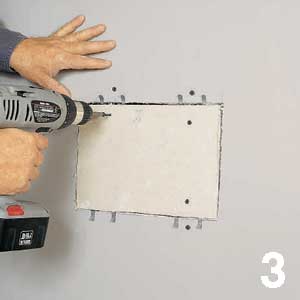
How to Patch Small Drywall Holes
Before delving into the step-by-step process of repairing holes in your drywall , let's discuss why it's crucial to address these issues promptly: aesthetics: unsightly holes and blemishes on your walls can significantly diminish the overall appearance of your home. Repairing them restores the visual appeal of your living space. Structural integrity: holes in the wall can compromise the structural integrity of your home, especially if they're not repaired promptly. Properly patched drywall ensures that your walls remain sturdy. Energy efficiency: holes in the wall can also affect your home's energy efficiency. Gaps and openings can allow drafts to enter, leading to increased energy bills. Let’s face it, not everyone can be a diy pro – especially when it comes to repairing or replacing water damaged drywall. But with the right guidance, even a novice can tackle this task like a pro. First things first, you need to assess the extent of the damage. If it’s just a small hole or crack, then patching it up would be your best bet. However, if the damage is extensive, then you’ll need to replace entire sections of your drywall. Once you’ve assessed the damage, gather the necessary tools for repairing waterlogged
read more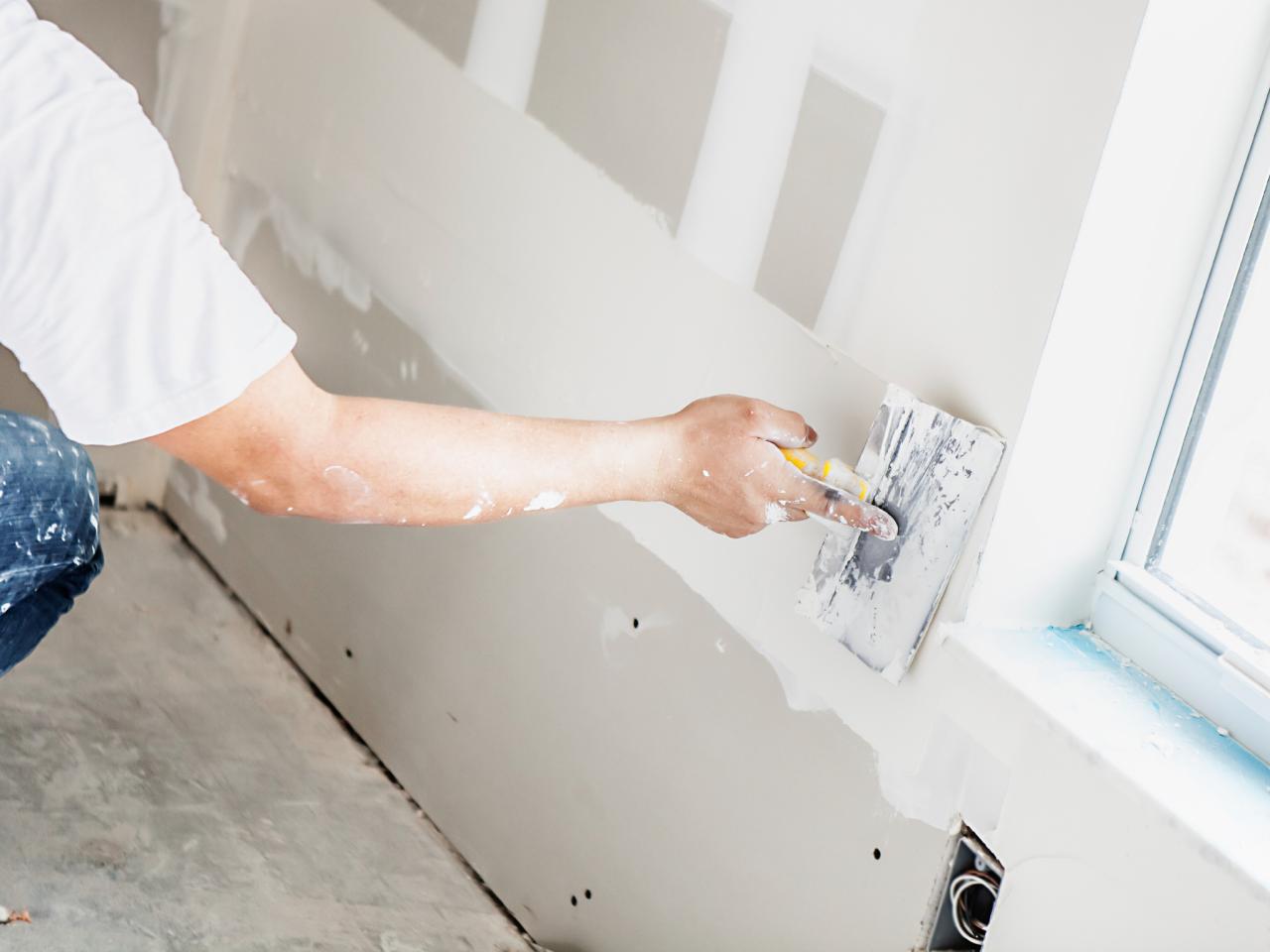
How to Fix Drywall Damage
Near-unnoticeable holes or damage from fasteners, dents, or dings—which can easily happen when moving furniture, when carrying items into the home, or from kids or pets playing indoors—are minor blemishes that can be patched quickly with drywall compound and a putty knife. Small holes in drywall, about the size of a doorknob and larger, cannot be fixed with only drywall compound or spackle because the patching compound will collapse into the hole without adequate support. To repair these small holes in drywall, you'll need an adhesive patch kit that can cover the hole and provide enough support for the drywall compound while it dries. Fix damaged drywall with these diy repairs you can do. Don't melt down if a doorknob, misguided chair or an impromptu hockey game knocks a big hole in your drywall. With a little patience, a little joint compound and a few dabs of paint even a novice can complete a near invisible wall repair. At some point, you’re going to get a hole in your wall. Being able to fix a hole in drywall is one of the most common diy projects we get asked about over the years. It’s also one
read more
Never miss a post
This post may contain affiliate links. Whether you rent or own a house or apartment, i think we’ve all had an occasion where there’s been a hole in a wall that’s needed to be patched due to some accidental puncture, decorating change, or renovation issue. I know i’ve definitely patched a few in my time, and i usually use these patch kits (they come in different sizes) to patch over the hole. drywall -tape-plasterboard.jpg" align="left" alt="feel" style="max-width:20%; margin:4px;" /> We are current ly working on renovating our new mid-century home and we have a few drywall projects to do around the house. My mom reminded me of a story from when i was little where a carpenter neighbor helped patch a hole in our childhood bedroom. Please refer to service standards post for instructions on how to communicate with a client and organize for a job. Search for a project If you conduct your research and obtain references, you should have no problem avoiding any potential scam operations. Do not proceed with any drywall repair or paint company that refuses to issue a written contract that contains the full details of the project. There have
read more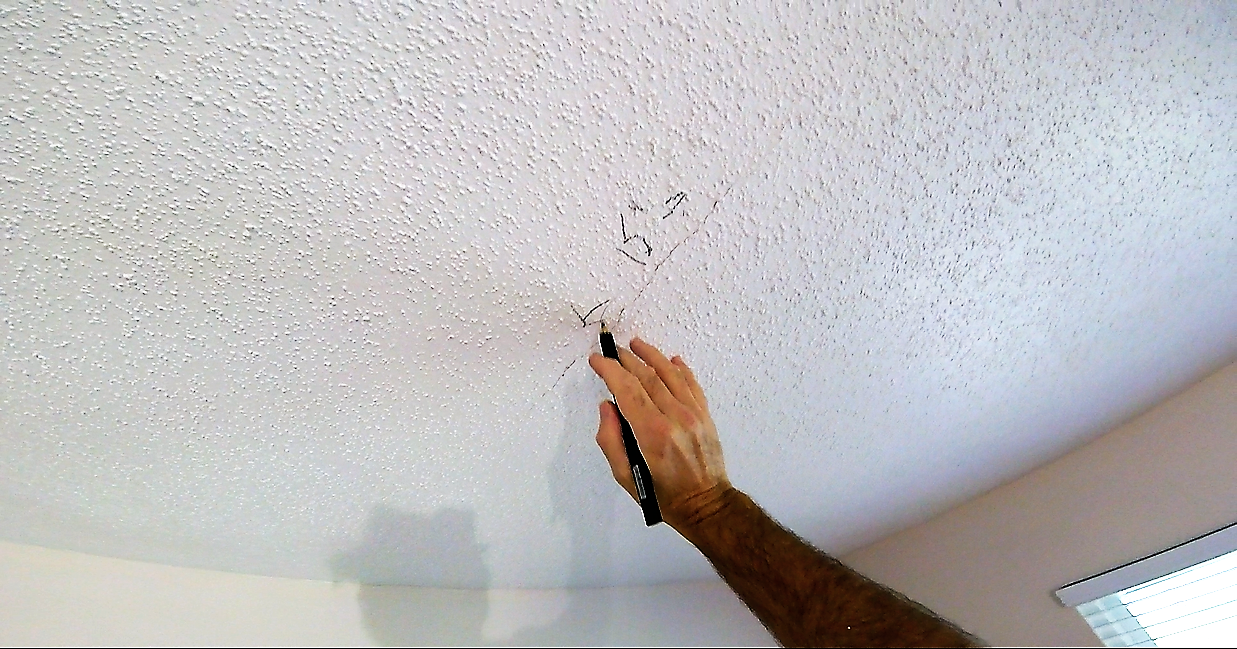
Easy Hack To Patch A Drywall Hole
We may earn revenue from the products available on this page and participate in affiliate programs. Learn more › drywall is tough, but it’s not indestructible. Over time, gypsum-board walls can sustain ugly cracks or holes. Fortunately, drywall is easy to repair easy , but there is an art to it. Here’s how to patch a hole in drywall so it’s indiscernible to landlords, homebuyers, or visitors. The first step to successfully repairing drywall is identifying the type of damage you're dealing with. Not all drywall damage is created equal, and different types of issues will require different approaches. Small holes (less than ½ inch in diameter): these are typically caused by nails, screws, or small dents. They're easy to patch up with minimal materials. Medium holes (between ½ inch and 3 inches): these may be the result of doorknobs, accidental impacts, or wall anchors. A bit more effort is required here, but they're still manageable with the right patching materials. Cracks: drywall cracks can occur due to shifting in the house's foundation or settling over time. Anyone Can Master These 7 Different Ways to Repair Drywall Sometimes patching loose tape on
read more